What Are the Key Components of a High-Speed Facial Tissue Production Line?
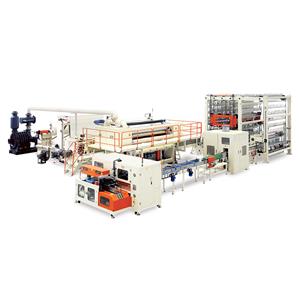
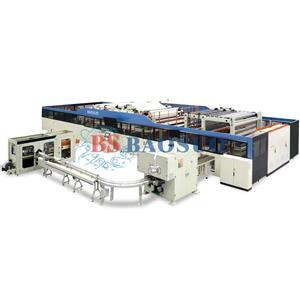
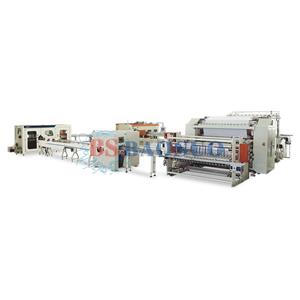
Facial tissue is an everyday essential, but behind each soft and neatly folded sheet lies a highly automated production process. In modern tissue manufacturing, a high-speed facial tissue production line integrates multiple systems—from jumbo roll unwinding to final packaging—to ensure efficiency, product quality, and consistent output.
Understanding the key components of such a production line can help manufacturers optimize performance, improve product quality, and meet growing market demand.
1. Jumbo Roll Unwinding System: The Starting Point of Production
The production process begins with jumbo tissue rolls, which serve as the raw material for facial tissue converting. The unwinding system is responsible for feeding the parent rolls smoothly into the production line.
Core Functions
Holds and supports large parent rolls
Maintains stable web tension during unwinding
Enables automatic roll change to reduce downtime
Why It Matters
A reliable unwinding system ensures continuous material feeding at high speeds while preventing wrinkles, breakage, or uneven tension, which can affect downstream processing.
2. Embossing Unit: Enhancing Softness and Appearance
Embossing is one of the most important processes in facial tissue production, as it directly impacts both product aesthetics and user experience.
Main Functions
Bonds multiple tissue plies together
Creates decorative patterns on the tissue surface
Improves bulkiness, softness, and absorbency
Why It Matters
A well-designed embossing system enhances product quality while also helping brands differentiate their products in the market.
3. Folding System: Forming the Final Tissue Shape
The folding unit transforms the continuous tissue web into the familiar interfolded facial tissue format used in tissue boxes or soft packs.
Key Functions
Cuts and folds tissue sheets into precise dimensions
Creates interfolded structures for one-by-one dispensing
Maintains stable performance at high operating speeds
Common Folding Types
V-Fold
N-Fold
Z-Fold
Why It Matters
Accurate folding ensures product consistency, smooth dispensing, and improved user convenience.
4. Counting and Log Separation System: Ensuring Accurate Output
After folding, tissues are counted and separated into pre-set quantities before packaging.
Main Functions
Automatically counts sheets or bundles
Separates tissue stacks according to packaging requirements
Synchronizes with downstream conveying systems
Why It Matters
Precision counting reduces waste, improves packaging accuracy, and supports high-speed automated operation.
5. Conveying System: Connecting Every Production Stage
A high-speed production line relies on an efficient conveying system to transfer tissue products smoothly between different units.
Core Functions
Moves tissue stacks from folding to packaging
Synchronizes speed between equipment sections
Reduces manual handling and production interruptions
Why It Matters
Stable conveying ensures a continuous production flow and minimizes product damage during transfer.
6. Automatic Packaging System: Preparing Products for Market
Packaging is the final stage of the production line and plays a crucial role in product presentation and logistics efficiency.
Packaging Functions
Wraps facial tissue stacks into soft packs or box packs
Seals and labels products automatically
Groups individual packs for secondary packaging
Packaging Options
Single-Pack Packaging
Suitable for retail-ready products.
Suitable for retail-ready products.
Multipack or Bundled Packaging
Used for supermarket and wholesale distribution.
Why It Matters
Automated packaging improves efficiency, reduces labor costs, and ensures a consistent, market-ready product appearance.
7. Intelligent Control System: The “Brain” of the Production Line
Modern high-speed facial tissue production lines are increasingly equipped with intelligent control systems for monitoring and automation.
Main Functions
Controls machine speed and synchronization
Monitors tension, folding accuracy, and production parameters
Provides fault diagnosis and alarm management
Supports recipe storage and quick product changeover
Why It Matters
Smart control systems improve operational stability, reduce downtime, and enable more flexible production management.
8. Dust Collection and Waste Handling System: Supporting Clean Production
High-speed tissue converting can generate paper dust and trim waste, making auxiliary systems essential.
Key Functions
Removes dust during cutting and folding
Collects edge trim and waste material
Improves workshop cleanliness and equipment longevity
Why It Matters
A clean production environment helps maintain product hygiene, machine reliability, and operator safety.
Conclusion
A high-speed facial tissue production line is far more than a single machine—it is a fully integrated system combining unwinding, embossing, folding, counting, conveying, packaging, and intelligent control technologies. Each component plays a critical role in ensuring high efficiency, stable production, and premium tissue quality.
As consumer expectations continue to rise and manufacturers pursue greater efficiency, investing in advanced facial tissue production line technology has become a key factor in staying competitive in the tissue converting industry.